
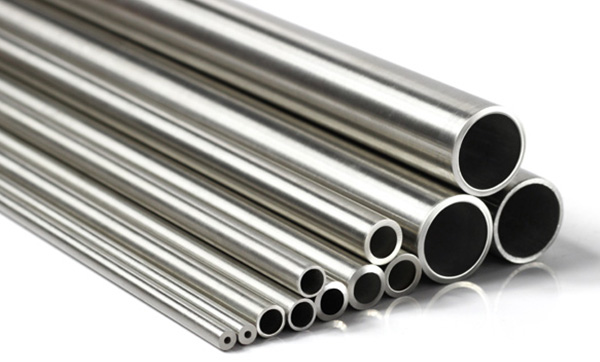
Pentingnya persiapan ferrule yang benar!
Di hampir semua kilang minyak, sambungan penting dibuat dari pipa berkualitas tinggi dan sambungan ferrule presisi tinggi. Jika Anda ingin menjaga sambungan dalam kondisi terbaik, Anda harus mempertimbangkan pengaruh banyak variabel, seperti material, ukuran, ketebalan dinding, karakteristik material, skenario aplikasi, dan sebagainya dari pipa tersebut.
Bagaimana memastikan bahwa personel pemeliharaan kilang dapat mempelajari, menguasai, dan menggunakan metode dan alat yang tepat untuk menjamin koneksi berkualitas tinggi di seluruh pabrik?
Identifikasi penyebab kegagalan yang umum
Salah satu penyebab utama kebocoran sistem fluida adalah pra-perlakuan pipa yang tidak tepat. Misalnya, pipa tidak dipotong secara vertikal, sehingga menghasilkan ujung potongan yang miring. Atau, setelah memotong pipa, gerigi pada ujung potongan tidak dihaluskan. Meskipun mungkin tampak agak berlebihan menggunakan gergaji besi untuk memotong ujung pipa lalu menghaluskannya, setelah mempelajari data dari banyak kegagalan sistem, kami menemukan bahwa sebagian besar kegagalan disebabkan oleh kelalaian dalam detail. Luangkan lebih banyak waktu untuk pra-perlakuan dan pemasangan pipa untuk memastikan pengoperasian yang benar, sehingga dapat menghindari kegagalan sistem di masa mendatang.
Untuk mengurangi tingkat kegagalan sistem fluida, tidak hanya perlu dilengkapi dengan peralatan yang lengkap, tetapi juga memperhatikan detail yang mudah terlewatkan selama proses pemasangan. Misalnya, dua alasan umum berikut ini mudah terlewatkan:
• Penanganan akses yang tidak tepat, mengakibatkan goresan, lecet, atau penyok pada tabung.
Jika gerigi atau goresan pada bagian pemotong tidak ditangani dengan benar, geser kembali sisa pipa ke rak, yang akan menggores pipa yang masih berada di rak; jika pipa ditarik setengah keluar dari rak, jika salah satu ujungnya menyentuh tanah, pipa tersebut rentan penyok; jika pipa diseret langsung di tanah, permukaan pipa dapat tergores.
• Pra-perlakuan selang yang tidak tepat, tidak memotong selang secara vertikal atau tidak menghilangkan gerigi di ujungnya.
Gergaji besi atau alat pemotongalatDiperlukan alat yang dirancang khusus untuk memotong pipa.
The importance of correct ferrule preparation!
In almost all oil refineries, critical connections are made from high-quality pipes and high-precision ferrule connections. If you want to keep the connection in the best condition, you have to consider the influence of many variables, such as the material, size, wall thickness, material characteristics, application scenario, and so on of the pipe.
How to ensure that refinery maintenance personnel can learn, master and use the proper methods and tools to guarantee high-quality connections throughout the plant?
Identify common causes of failure
One of the main causes of fluid system leaks is improper pipe pre-treatment. For example, pipes are not cut vertically, resulting in slanted cut ends. Or, after cutting the pipe, the teeth on the cut end are not smoothed. While it may seem a bit excessive to use a hacksaw to cut the end of a pipe and then smooth it out, after studying data from many system failures, we found that the majority of failures were caused by negligence in detail. Spend more time pre-treating and installing pipes to ensure proper operation, thereby avoiding future system failures.
To reduce the failure rate of the fluid system, it is necessary not only to be equipped with complete equipment, but also to pay attention to details that are easy to miss during the installation process. For example, these two common reasons are easy to miss:
• Improper access handling, resulting in scratches, abrasions, or dents on the tube.
If teeth or scratches on the cutter are not handled properly, slide the remaining pipe back onto the rack, which will scratch the pipe still on the rack; if the pipe is pulled halfway out of the rack, if one end touches the ground, the pipe is susceptible to dents; if the pipe is dragged directly on the ground, the surface of the pipe may be scratched.
• Improper pre-treatment of the hose, not cutting the hose vertically or not removing the teeth at the end.
A hacksaw or a cutting tool specifically designed for tubing is required.